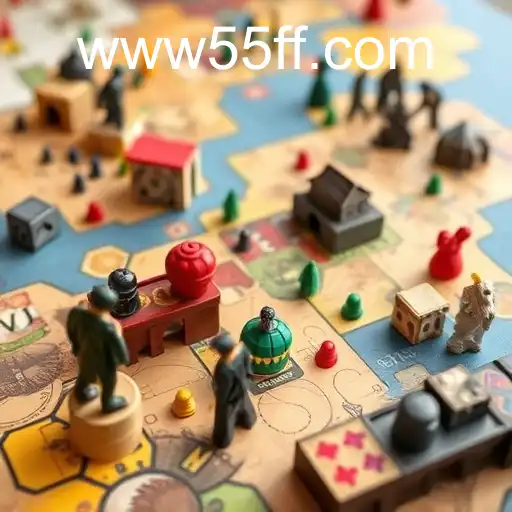
Exploring the Fascinating World of Tabletop Games
Tabletop games, a cherished form of entertainment for many, have stood the test of time and continue to bring people together in an age dominated by digital interactions. From board games and card games to role-playing and strategic war games, the diversity within the realm of tabletop gaming is immense, offering something for every taste and interest.
The Revival of Tabletop Gaming
In recent years, tabletop games have seen a resurgence in popularity. This renaissance can partly be attributed to the desire for more tangible and interactive experiences that these games offer compared to digital platforms. With games like "Dungeons & Dragons" and "Settlers of Catan" becoming cultural landmarks, it's clear that tabletop games have carved out a significant niche in the world of entertainment.
The Social Aspect: Bringing People Together
One of the most compelling aspects of tabletop gaming is its ability to bring people together. Unlike many digital games, these require face-to-face interaction, encouraging socialization, and teamwork. Whether playing competitively or cooperatively, games such as "Pandemic" or "Catan" can be an excellent way for friends and families to bond over a shared interest.
Diversity of Game Types
Tabletop games are far from monolithic. They encompass various categories, each with its unique appeal:
- Board Games: These games usually feature a pre-printed board with pieces moved around as dictated by a set of rules. "Risk", "Monopoly", and "Scrabble" are iconic examples offering strategic and casual play experiences.
- Card Games: Often focusing on strategy or luck, these games like "Poker", "Magic: The Gathering", and "Uno" have been staples alongside board games.
- Role-Playing Games (RPGs): Titles like "Dungeons & Dragons" invite players to immerse themselves in rich, fantastical worlds, giving them the liberty to craft unique characters and epic narratives.
- War Games: Games such as "Warhammer" provide a more intricate and strategic experience, involving detailed miniatures and complex rulesets to simulate battles.
The Cultural Impact of Tabletop Games
The impact of tabletop games extends beyond mere entertainment. Through their storytelling and world-building elements, they offer educational benefits, fostering creativity, critical thinking, and problem-solving skills. Moreover, the narrative-driven aspects of many RPGs allow players to explore moral dilemmas and empathy in ways few other forms of entertainment can.
Innovations and the Role of Technology
While traditional tabletop games rely on physical components, many modern iterations are incorporating technology to enhance the gaming experience. Mobile apps and websites often provide supplementary content, track scores, or even serve as digital game masters. This fusion of physical and digital elements brings a fresh twist to the genre without losing its essential tactile nature.
The Mechanics of Designing a Tabletop Game
Creating a captivating tabletop game requires a blend of creativity, design acumen, and playtesting. Game designers must consider mechanics, narrative, balance, and player engagement when crafting a new experience. Whether it's ensuring every player feels their decisions impact the game in some way or crafting a storyline that captures the imagination, each element needs to be intricately interwoven for seamless gameplay.
Pillars of Successful Game Design
- Player Agency: Empowering players to make meaningful decisions is vital. Games must strike a balance, offering choices that cater to different strategies while maintaining unpredictability.
- Theme and Narrative: A compelling thematic element can transform simple mechanics into an engrossing experience, evoking certain moods and emotions.
- Balance and Replayability: Ensuring no dominant strategy can overshadow others maintains dynamic gameplay. Additionally, replayability is crucial to maintaining player interest over time.
The Role of Community in Tabletop Gaming
The community around tabletop games is vast and vibrant, enhancing the experience for all involved. Game nights, conventions such as Gen Con, and online forums provide platforms for enthusiasts of all levels to connect, share strategies, and engage with each other.
Benefits of Community Engagement
Being part of a community fosters a deeper appreciation and understanding of games themselves. It offers players opportunities to learn from one another, try new games, and develop lifelong friendships. Furthermore, being active in communities can provide feedback resources for designers, sparking innovations and improvements within the industry.
Conclusion
In a world increasingly focused on digital and solitary entertainment, tabletop games offer a refreshing counterbalance with their emphasis on social interaction and tangible experiences. Their diverse range appeals to various interests, whether one seeks strategy, storytelling, or simply an evening of fun with friends. As technology progresses, integrating new elements only builds upon this foundation, ensuring table gaming remains a beloved pastime for generations to come.